Competitive advantages

Why formulators switch to moringa — and stay.

Six technical reasons moringa seed oil replaces almond, argan and sunflower in modern cosmetic systems, with the data your R&D team needs before a trial batch.

01

Oxidative stability without synthetic antioxidants

A low polyunsaturated fraction (typically under 2 % linoleic) means moringa resists rancidity where almond, sunflower and grapeseed fail. Clean-beauty ranges can drop BHT and reduce tocopherol dosage, simplifying the INCI list and the safety assessment.
02

Behenic acid: structure without heaviness

The 5–7 % behenic (C22:0) content is almost unique among liquid cosmetic oils. It gives balms, sticks and rich creams a firmer body and a velvet drag, so formulators can cut wax load and avoid the occlusive film typical of butters.

03

Sensory profile close to synthetic esters

Testing panels consistently place cold-pressed moringa near C12-15 alkyl benzoate for spreadability and dry-down. It is the natural drop-in when reformulating away from silicones and esters under natural-origin index targets.

04

Low comedogenicity for facial and scalp care

A comedogenic rating of 1 and a fine molecular profile make it suitable for acne-adjacent, oily-skin and scalp systems where almond or coconut oil are excluded by claim requirements.

05

One raw material, many claim routes

Zeatin and behenic acid support anti-ageing and barrier claims; moringa protein and the plant story support upcycling, fair-trade sourcing and biodiversity narratives that resonate in the EU market.

06

Predictable specification, batch after batch

Single-origin lots, blended to a fixed fatty-acid window before filling. Your stability, PIF and CPNP data stay valid across reorders, which is where cheaper spot-market oils cost you months of requalification.

Head-to-head with the usual carriers

Typical literature and in-house values. Comedogenic scale 0 (non-comedogenic) to 5.

OilOleic acidOxidative stabilitySkin finishComedogenicFormulation note
Moringa seed oil70–76 %Excellent (24+ months)Dry, fast-absorbing1Behenic acid adds body without waxiness
Sweet almond oil62–72 %Moderate (12 months)Medium, slightly greasy2Nut allergen labelling required
Argan oil43–49 %ModerateMedium0–2High linoleic fraction oxidises faster
Jojoba (wax ester)n/aExcellentDry2Higher cost, no triglyceride emolliency
Sunflower oil20–30 %Poor without antioxidantsLight, oily residue0–2Requires tocopherol/BHT stabilisation
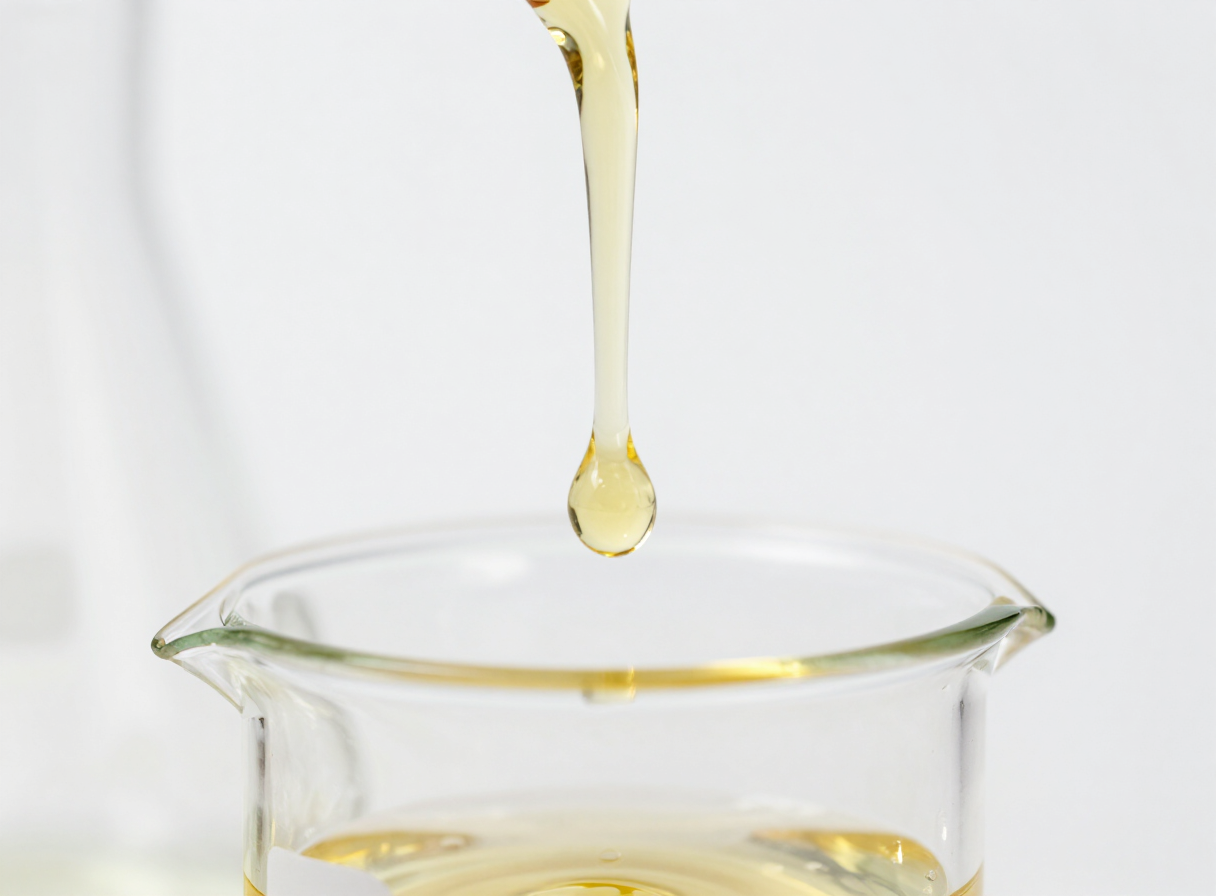
Moringa oil sample in laboratory glassware

Run it against your current carrier oil.

Send us your current base oil and we will provide a like-for-like substitution rate and a stability recommendation for your formulation.